nustar History of Popular Casino Games
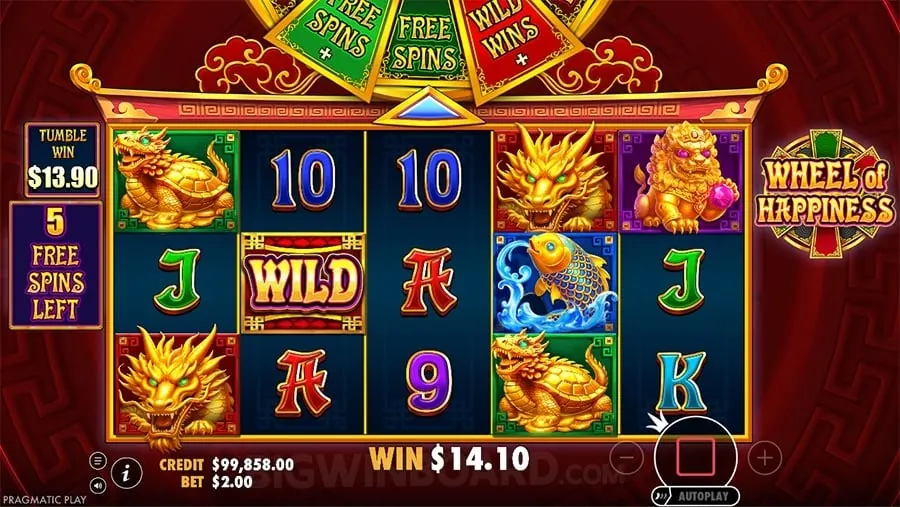
Unveiling the nustar History of Popular Casino Games
Embark on a captivating journey through time with nustar as we unravel the rich and vibrant history behind the world's most popular casino games. From ancient civilizations to the dazzling digital age, these games of chance and skill have captivated humanity for millennia, evolving from simple pastimes into sophisticated entertainment. Understanding their origins isn't just a fascinating historical exercise; it's a valuable guide for any player seeking to deepen their appreciation, refine their strategies, and truly grasp the essence of what makes a great game. This guide will take you through the pivotal moments and cultural shifts that shaped Blackjack, Roulette, Poker, Slot Machines, and more, offering insights into how these enduring classics came to be. Whether you're looking to login for a quick game or planning to register for a full casino experience, knowing the heritage of these games can transform your playing perspective, making every spin, deal, and roll even more engaging.
Table of Contents
- The Ancient Roots of Chance: Dice and Cards
- The Birth of Modern Casino Games: From Italy to France
- The American Influence: Slot Machines and Poker's Rise
- The Digital Revolution: Online Gaming and its Impact
- Why These Games Endure: Lessons for Modern Players
- Mastering the Legacy: Tips for Engaging with Classic Casino Games
The Ancient Roots of Chance: Dice and Cards
The concept of gambling is as old as civilization itself, with evidence suggesting that games of chance were played in almost every ancient culture. The earliest forms often involved dice or similar objects used for divination or entertainment. Archaeological findings point to dice-like objects made from bone, wood, or stone dating back over 5,000 years in Mesopotamia and ancient Egypt. These early 'games' were often intertwined with religious rituals and prophecy, believed to reveal the will of the gods. As societies evolved, so did the complexity of these chance-based activities, moving from simple throws to more structured games.
The introduction of playing cards marked another significant leap. While their exact origin is debated, many historians trace the earliest known playing cards to 9th-century China. These weren't the familiar decks we know today but often resembled paper money or dominoes. From China, cards spread to India, Persia, and eventually, via the Mamluk Sultanate of Egypt, to Europe by the late 14th century. European card games quickly gained popularity, leading to regional variations and the emergence of early forms of games that would later inspire classics like Poker and Blackjack. Understanding these foundational elements helps us appreciate the universal appeal of a good game, rooted in human psychology and the thrill of uncertainty.
The Birth of Modern Casino Games: From Italy to France
The concept of a dedicated public gambling house, or 'casino,' emerged in 17th-century Venice, Italy. The Ridotto, established in 1638, was created to provide a controlled gambling environment during the carnival season. It was here that games like Baccarat and Biribi (a lottery-like game) flourished. Baccarat, with its origins potentially stretching back to medieval Italy, gained significant traction in French aristocratic circles before making its way back to public casinos. Its elegant simplicity and high stakes made it a favorite among the elite.
France, however, became the true crucible for many modern casino staples. The 18th century saw the invention of Roulette, often attributed to the French mathematician Blaise Pascal in his quest for a perpetual motion machine, though its current form with the single and double zero pockets emerged later to increase house advantage. 'Vingt-et-Un,' or 'Twenty-One,' the direct ancestor of Blackjack, also gained prominence in French casinos around the same time. These games, characterized by a blend of luck and strategic decision-making, laid the groundwork for the structured, thrilling casino experiences we know today. The migration of these games across Europe and eventually to the New World would further cement their status as timeless classics, ready for any player to register and enjoy.
The American Influence: Slot Machines and Poker's Rise
As gambling migrated to the burgeoning American frontier in the 19th century, it took on a distinctly new flavor. Poker, with its roots in European games like Poque and As-Nas, truly came into its own in the saloons and riverboats of the American West. The game's emphasis on bluffing, strategy, and psychological warfare made it an ideal fit for the rugged individualism of the era. Various forms, from Five-Card Draw to Stud Poker, evolved, solidifying its place as arguably the most iconic card game.
Perhaps the most revolutionary American contribution to casino gaming was the slot machine. In 1891, Sittman and Pitt of Brooklyn developed a poker machine, a precursor to the modern slot. However, it was Charles Fey in San Francisco who, around 1895, invented the 'Liberty Bell' machine – the first true slot machine with automatic payouts and three spinning reels featuring symbols like horseshoes, diamonds, spades, hearts, and a Liberty Bell. This mechanical marvel democratized gambling, offering instant gratification and requiring no skill, making it accessible to everyone. The slot machine's appeal was immediate and enduring, transforming the casino landscape forever. Even today, whether you login to an online casino or visit a land-based one, slots remain a dominant force.
The Digital Revolution: Online Gaming and its Impact
The late 20th century ushered in an era of unprecedented transformation for the casino industry: the digital revolution. The mid-1990s saw the launch of the first online casinos, marking a paradigm shift in how people accessed and engaged with casino games. Initially, these platforms were rudimentary, offering basic versions of popular games like Blackjack and Roulette. However, rapid advancements in internet technology, computing power, and graphics capabilities quickly propelled online gaming into a sophisticated, multi-billion-dollar industry.
The internet dissolved geographical barriers, making casino games accessible to a global audience, including players in the Philippines. Innovations like secure payment gateways, robust encryption, and sophisticated Random Number Generators (RNGs) ensured fair play and security. The early 2000s witnessed the rise of mobile gaming, allowing players to enjoy their favorite game on smartphones and tablets, anytime, anywhere. Live dealer games further bridged the gap between the virtual and physical, offering real-time interaction with human dealers via video stream. This digital evolution means that whether you want to register for a new account or simply login to your existing one, the world of casino gaming is literally at your fingertips, offering a vast array of historical and modern games.
Why These Games Endure: Lessons for Modern Players
Despite centuries of change and countless new forms of entertainment, classic casino games have not only survived but thrived. Their enduring popularity offers valuable lessons for modern players. Firstly, the balance between luck and skill is a crucial factor. Games like Poker and Blackjack reward strategic thinking and decision-making, while games like Roulette and Slots offer the pure thrill of chance. This diversity ensures there's a game for every preference and mood.
Secondly, the social aspect, even in its simulated online form, plays a significant role. From the communal tables of ancient card games to the chat functions in live dealer online casinos, humans enjoy shared experiences. Thirdly, the inherent simplicity of rules combined with the potential for complex strategies makes these games endlessly engaging. Anyone can learn to play Blackjack in minutes, but mastering it takes a lifetime. Understanding these underlying principles allows players to choose games that align with their personal style and goals, enhancing their overall enjoyment and potentially improving their outcomes. The rich history of these games teaches us that fundamental human desires – for excitement, challenge, and reward – remain constant.
Mastering the Legacy: Tips for Engaging with Classic Casino Games
Engaging with the rich history of casino games can significantly enhance your modern playing experience. Here are some tips to help you master the legacy:
- Understand the Odds and House Edge: Every game has a mathematical advantage for the house, developed over centuries. Knowing this helps you manage your expectations and bankroll. Historical context often reveals how these advantages were initially established.
- Learn Basic Strategy: For games like Blackjack and Video Poker, basic strategy charts are the culmination of centuries of mathematical analysis. Employing these strategies can significantly reduce the house edge, turning a game of pure chance into one of calculated decisions.
- Explore Game Variations: Many classic games have numerous variations (e.g., European Roulette vs. American Roulette, Texas Hold'em vs. Omaha Poker). Understanding their historical development helps you appreciate the nuances and choose the best version for your style.
- Practice Responsible Gaming: The history of gambling is also a history of its pitfalls. Learning from past mistakes means setting limits, understanding when to stop, and viewing gambling as entertainment, not a guaranteed source of income. Many platforms, like nustar, offer tools to help you manage your play.
- Appreciate the Evolution: Take time to appreciate how a simple dice roll evolved into complex slot algorithms, or how a French card game became a global poker phenomenon. This historical perspective adds depth to every game you play.
By applying these insights, you can move beyond simply playing a game to truly understanding and mastering its historical legacy.
The journey through the history of popular casino games reveals not just their origins but also the fundamental human desires they fulfill: the thrill of chance, the satisfaction of strategy, and the allure of entertainment. From ancient dice games to the sophisticated digital platforms of today, these games have continuously adapted and evolved, remaining at the forefront of leisure and excitement. Understanding this rich heritage enriches your playing experience, offering deeper insights into the mechanics and enduring appeal of each game. Whether you're a seasoned player or just beginning your adventure, knowing where these games came from can help you make more informed choices and enjoy every moment. Ready to explore the exciting world of casino games with this newfound appreciation? Register today or login to your account to experience the legacy firsthand!
Frequently Asked Questions
Question 1: Which is the oldest casino game still played today?
Answer: While 'dice' games in various forms are ancient, specific modern casino games have more traceable origins. Baccarat is often cited as one of the oldest, potentially dating back to 15th-century Italy. However, games involving basic dice or card play have existed for millennia in different forms.
Question 2: How did slot machines become so popular?
Answer: Slot machines gained immense popularity due to their simplicity, requiring no skill to play, and offering instant gratification. Charles Fey's 'Liberty Bell' in the late 19th century introduced automatic payouts, making them widely accessible and exciting for a broad audience. Their evolution into digital forms further cemented their status as a casino favorite.
Question 3: What role did France play in the development of casino games?
Answer: France played a pivotal role, particularly in the 18th century. Games like Roulette (attributed to Blaise Pascal) and Vingt-et-Un (the precursor to Blackjack) gained prominence in French casinos. Baccarat also found significant popularity and refinement in French aristocratic circles before spreading globally.
Question 4: How has online gaming changed the history of casino games?
Answer: Online gaming, starting in the mid-1990s, revolutionized access to casino games by removing geographical barriers. It introduced unprecedented convenience, allowing players to enjoy games from anywhere. Technological advancements like live dealer games and mobile compatibility have further expanded their reach and enriched the playing experience, making historical games accessible to new generations of players.